Development, regeneration and disease of the uterine epithelium
The endometrium regenerates hundreds of times over a reproductive lifespan. We want to understand the cells and signals that make this possible, and what fails in infertility and endometrial disease.

Building the uterine gland
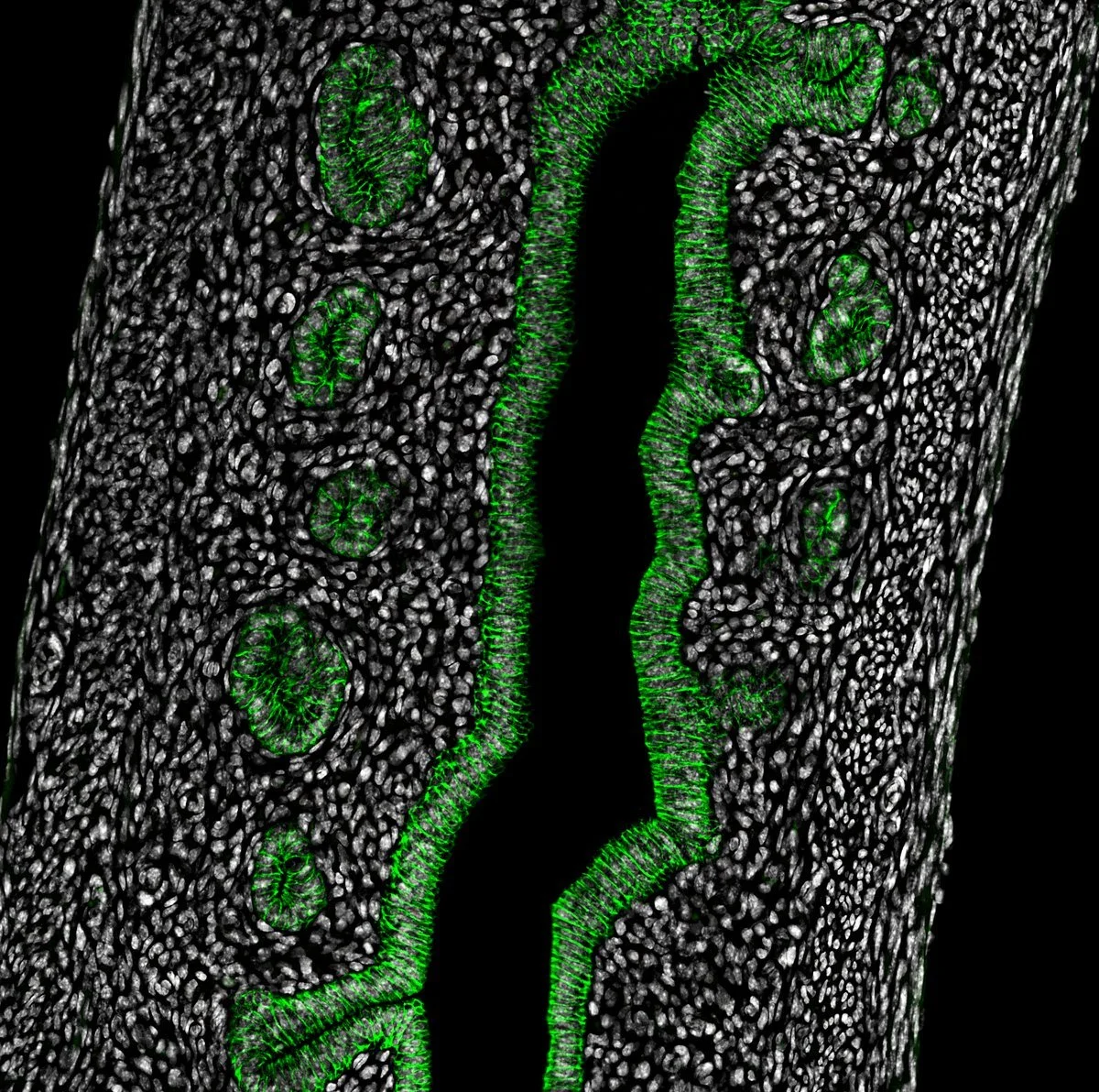
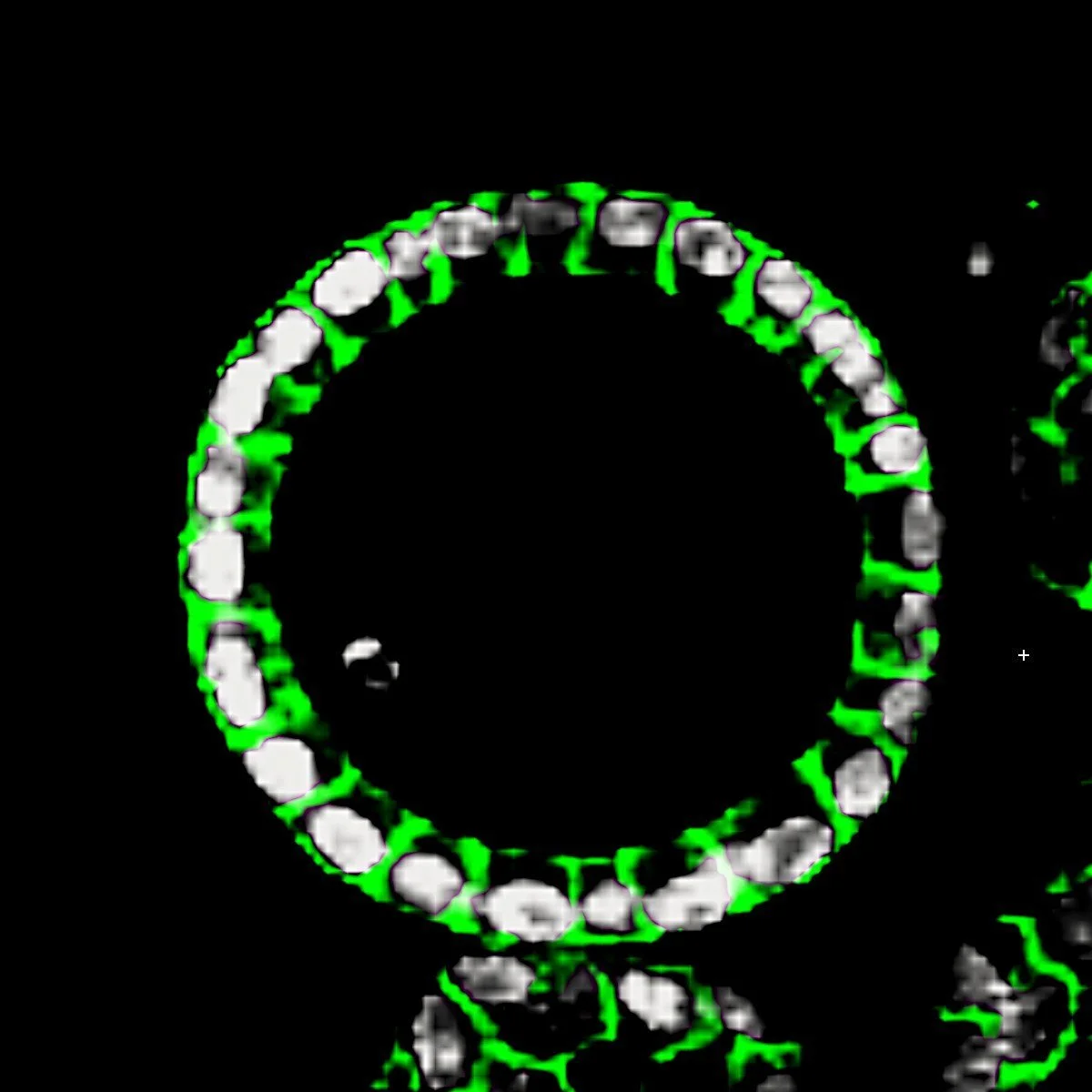
Uterine glands form after birth. Using single-cell atlases of the neonatal mouse uterus, organoids and lineage tracing, we found that a transient epithelial plasticity state defines when glands can be specified. Estrogen receptor alpha, FOXA2 and retinoic acid signaling close this window. Disrupting it causes lasting infertility.
- Rizo et al., bioRxiv 2026
- Rizo et al., PNAS 2025
- Spencer et al., PNAS 2023
- Rizo et al., iScience 2023
How the endometrium rebuilds
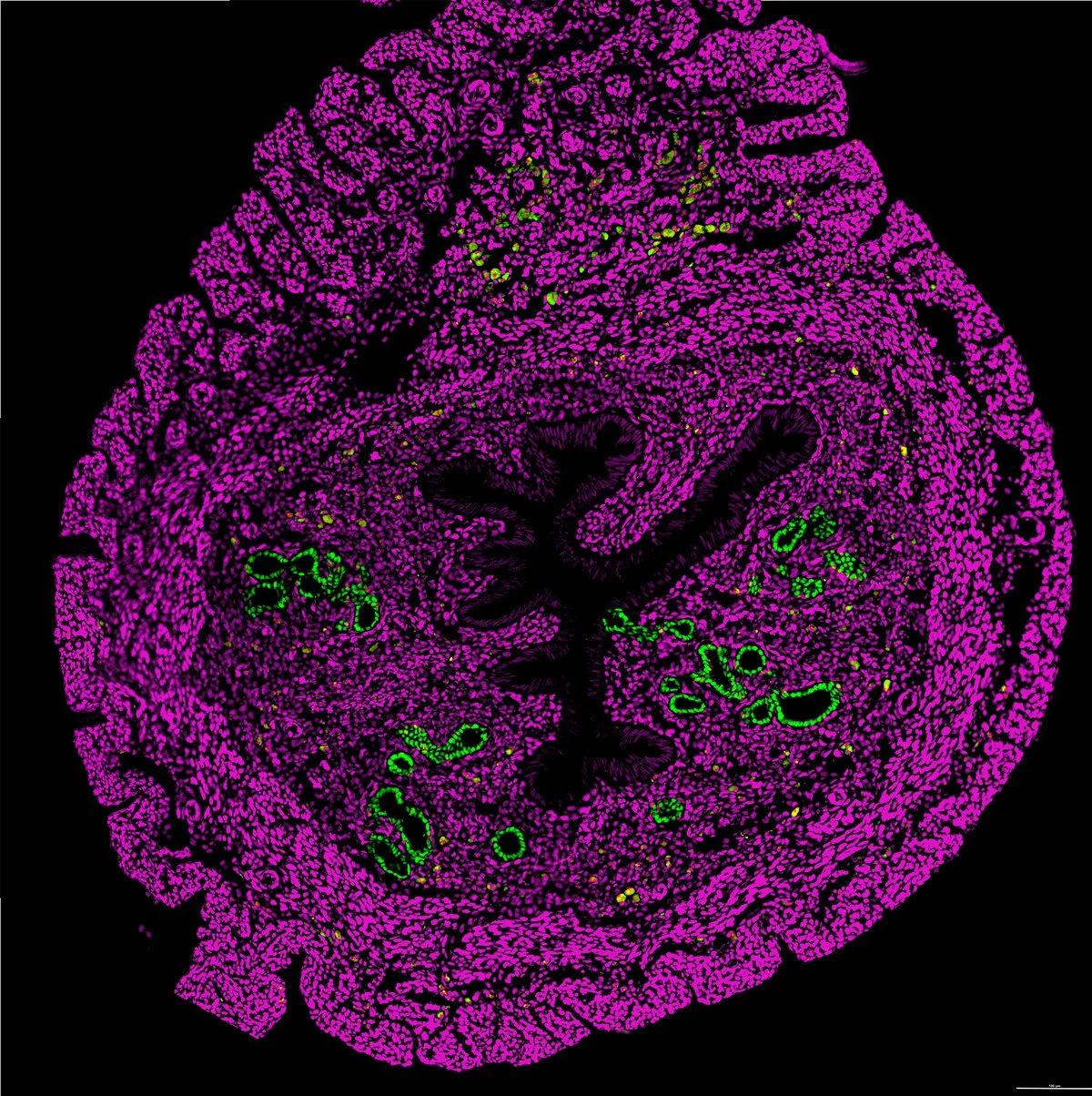
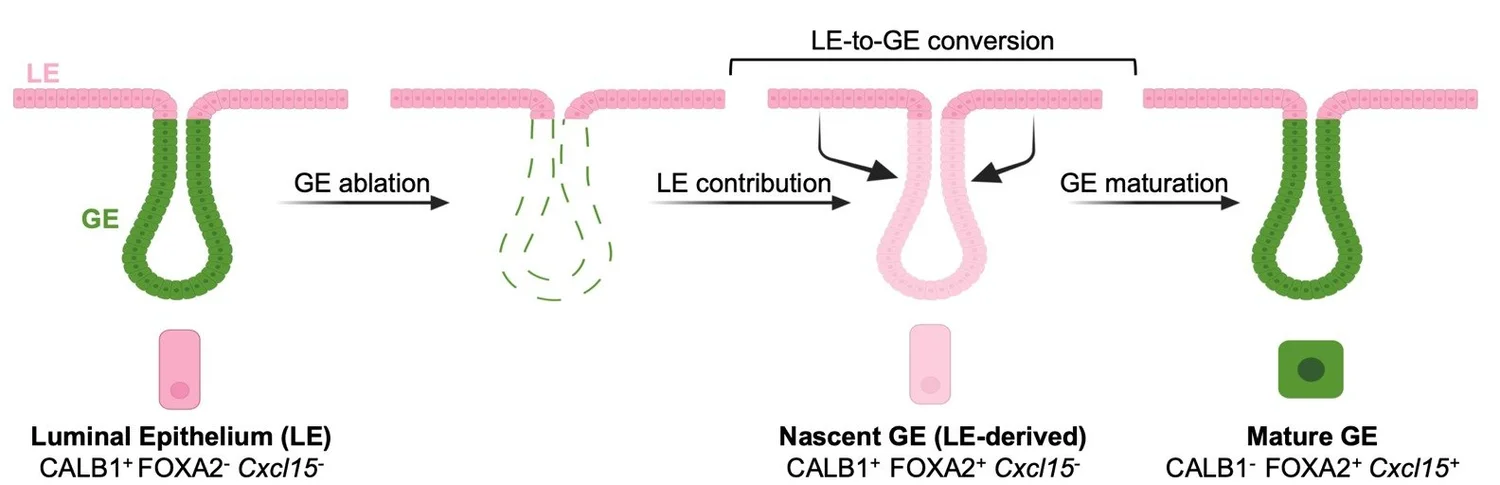
The adult endometrium regenerates with every cycle and after pregnancy. We combine epithelial ablation with transplantation of lineage-labeled organoids. This showed that luminal epithelial cells can acquire glandular identity and function, and that organoid transplantation can restore fertility. Supported by NICHD.
- Mopure et al., bioRxiv 2026
- Ang et al., bioRxiv 2026 (with McKinley Lab)
Glands, stroma and pregnancy
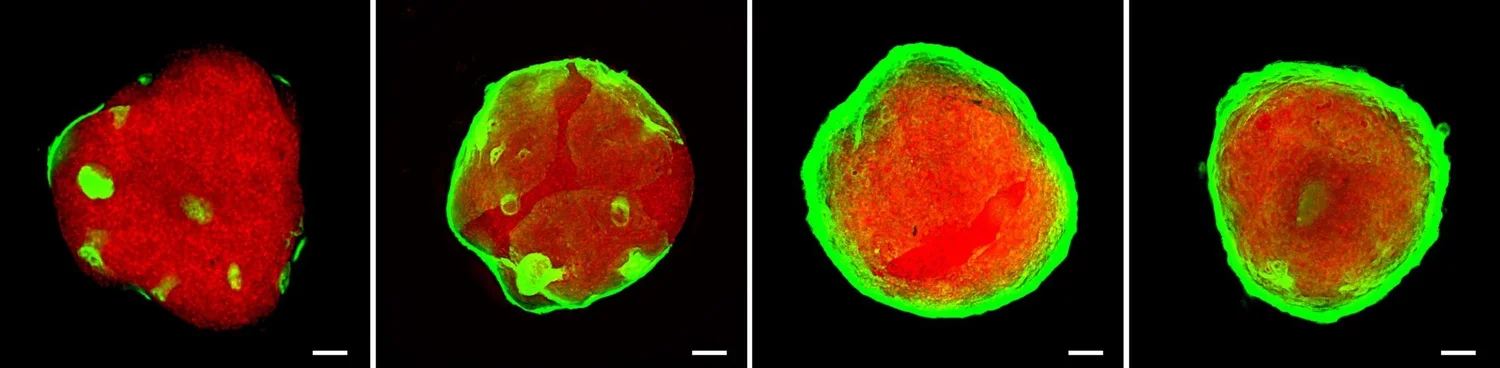
Glands secrete factors such as LIF that time embryo implantation and support stromal decidualization. We study progesterone receptor in glands, FOXA2 targets and gland–stroma signaling. To do this we built assembloid and polarity-reversed organoid systems that rebuild the epithelial–stromal interface in a dish.
- Bayammagari et al., FASEB J 2025
- Ahmad et al., Biol Reprod 2026
- Ahmad et al., Reproduction 2024
- Kelleher et al., Nat Commun 2018
From development to disease
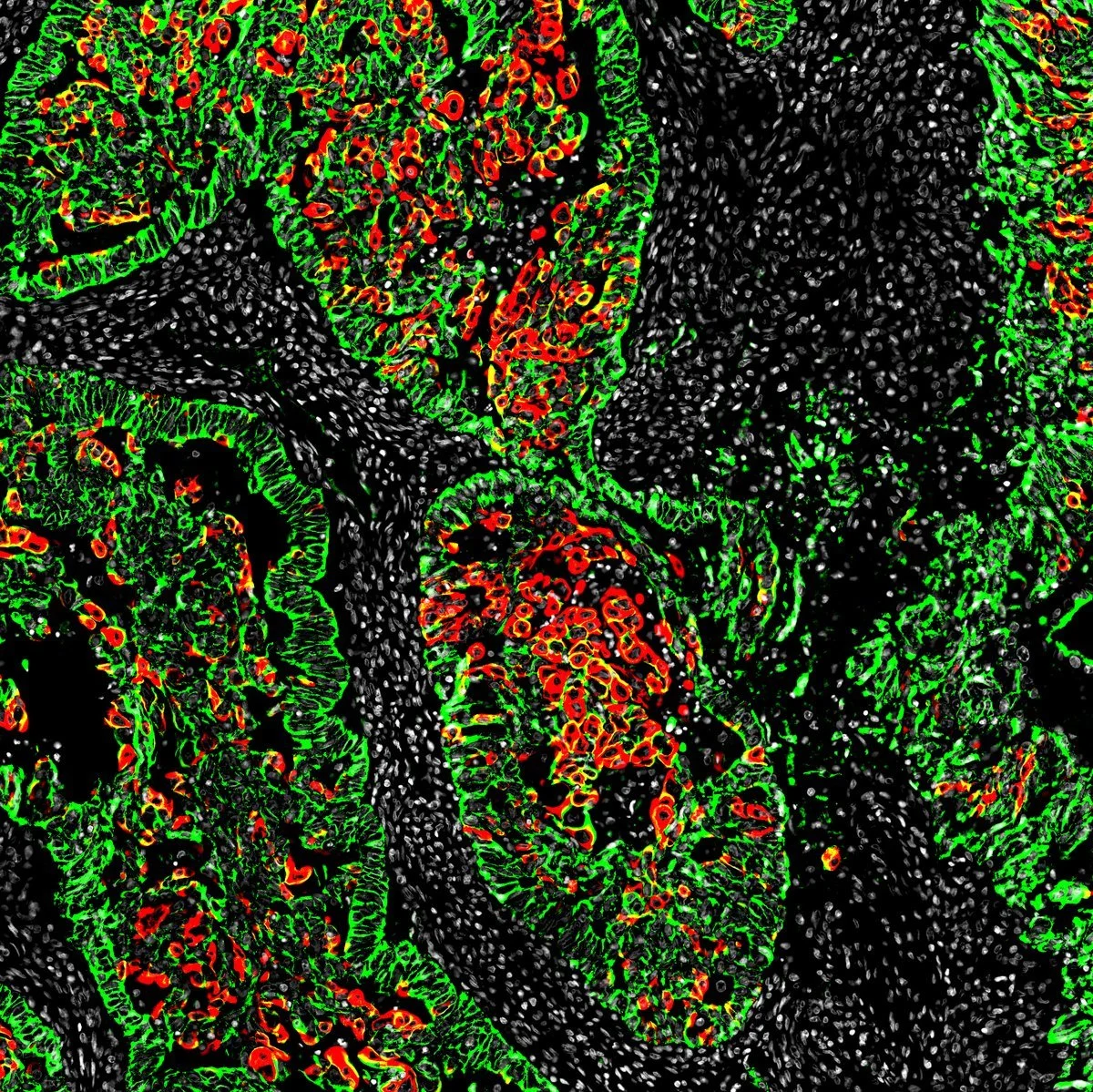
Developmental programs give us a map for spotting disease early. Loss of FOXA2 promotes endometriosis, and LIF shows therapeutic promise. Basal-like cells that should not exist in the uterus may flag endometrial cancer. We are extending these studies to human endometrial organoids and assembloids.
- Rahman et al., FASEB J 2025
- Rizo et al., PNAS 2025