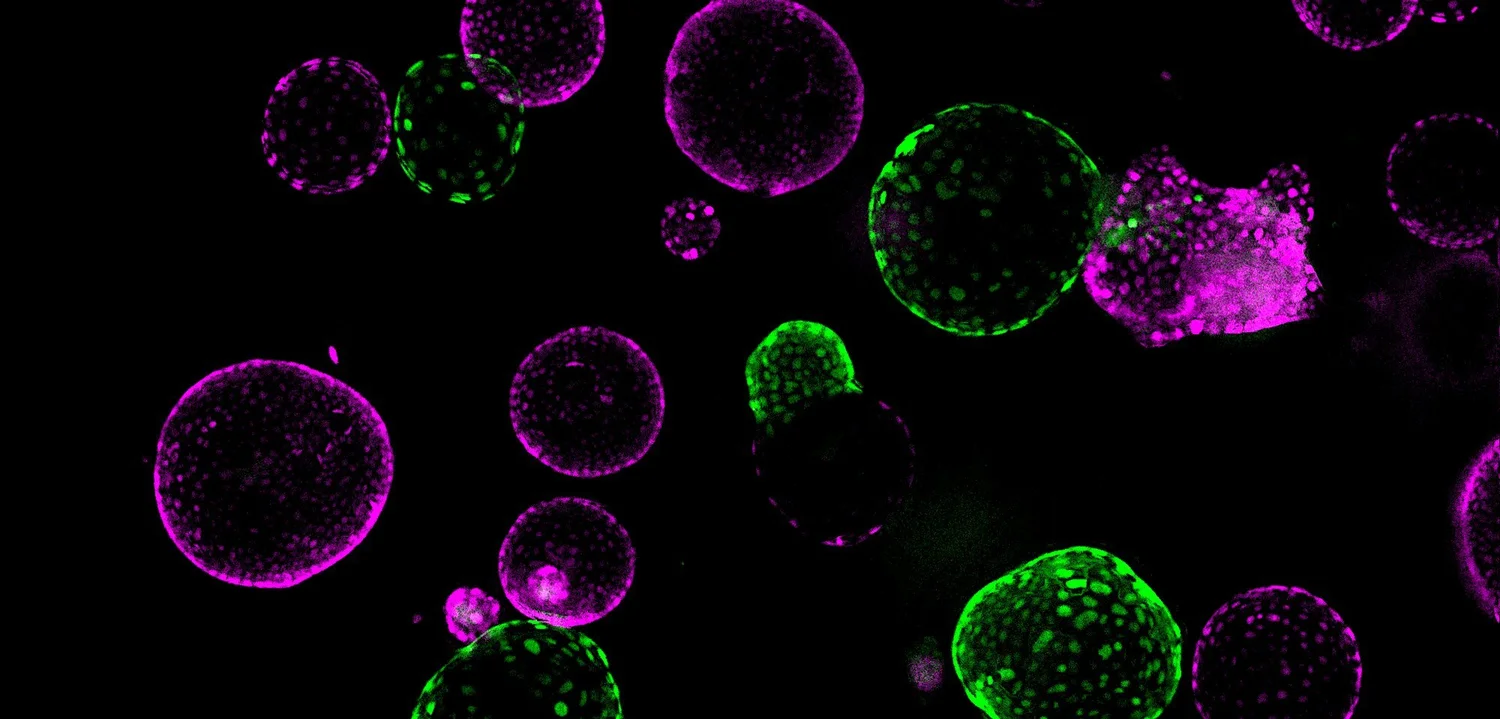
Four questions drive the lab
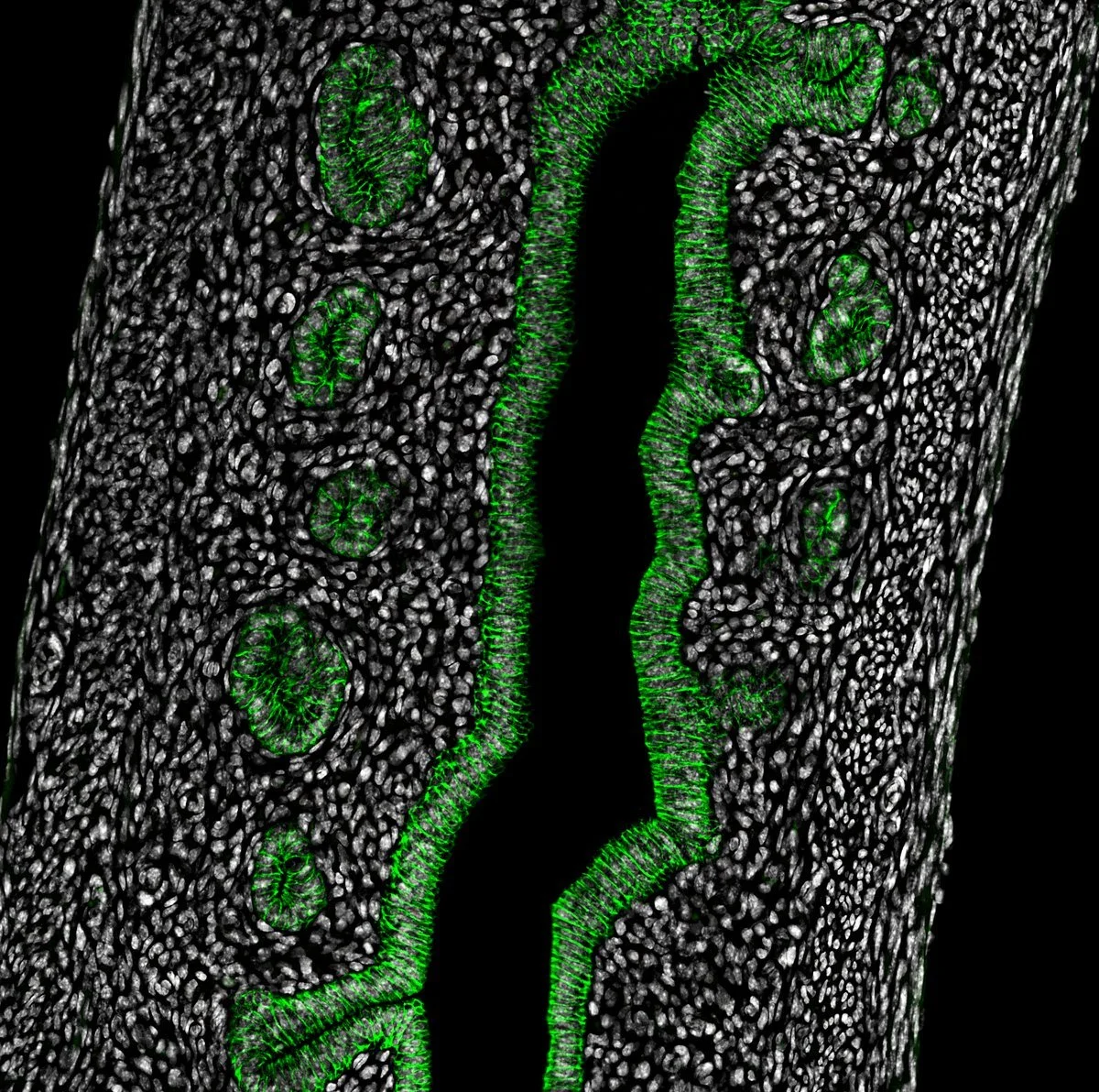
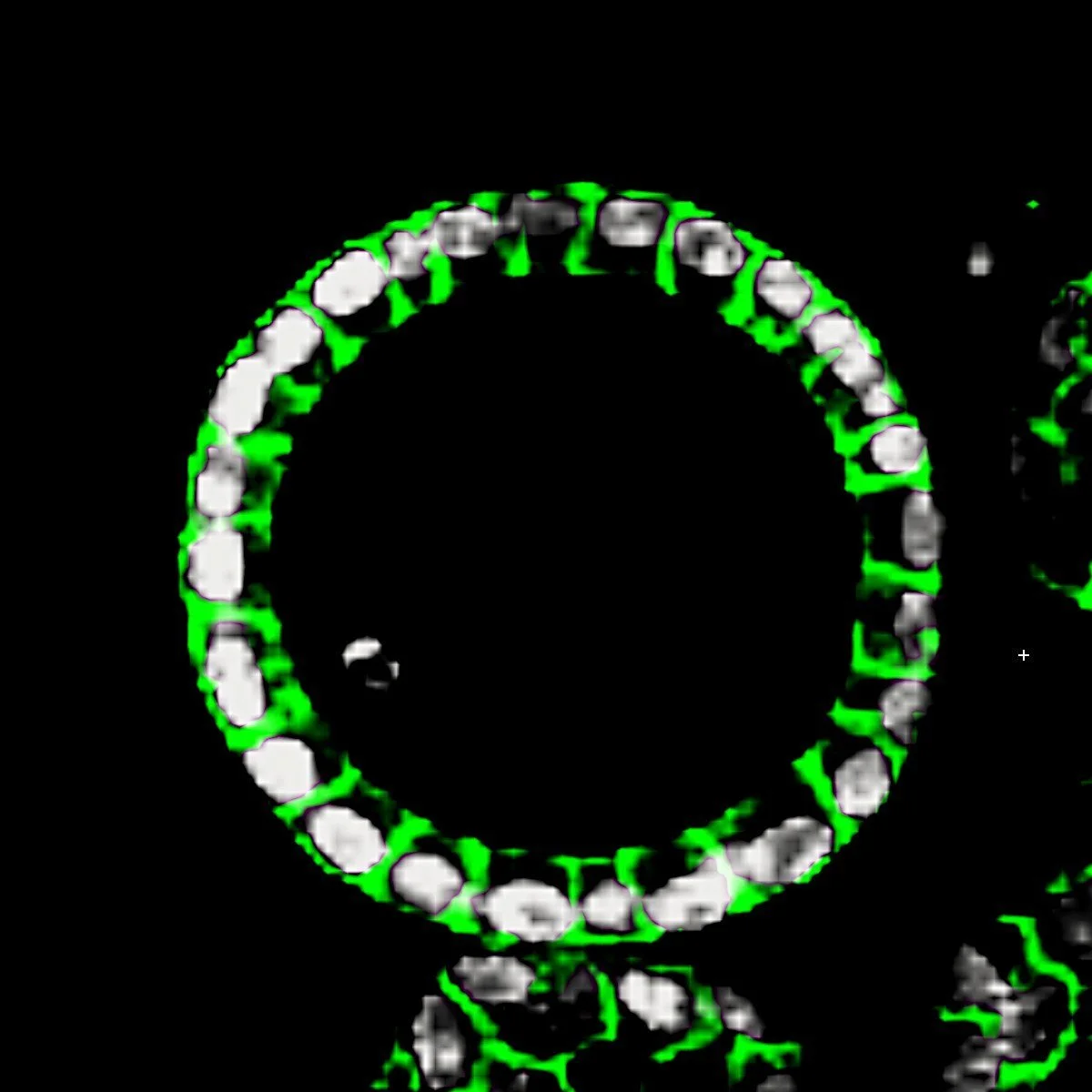
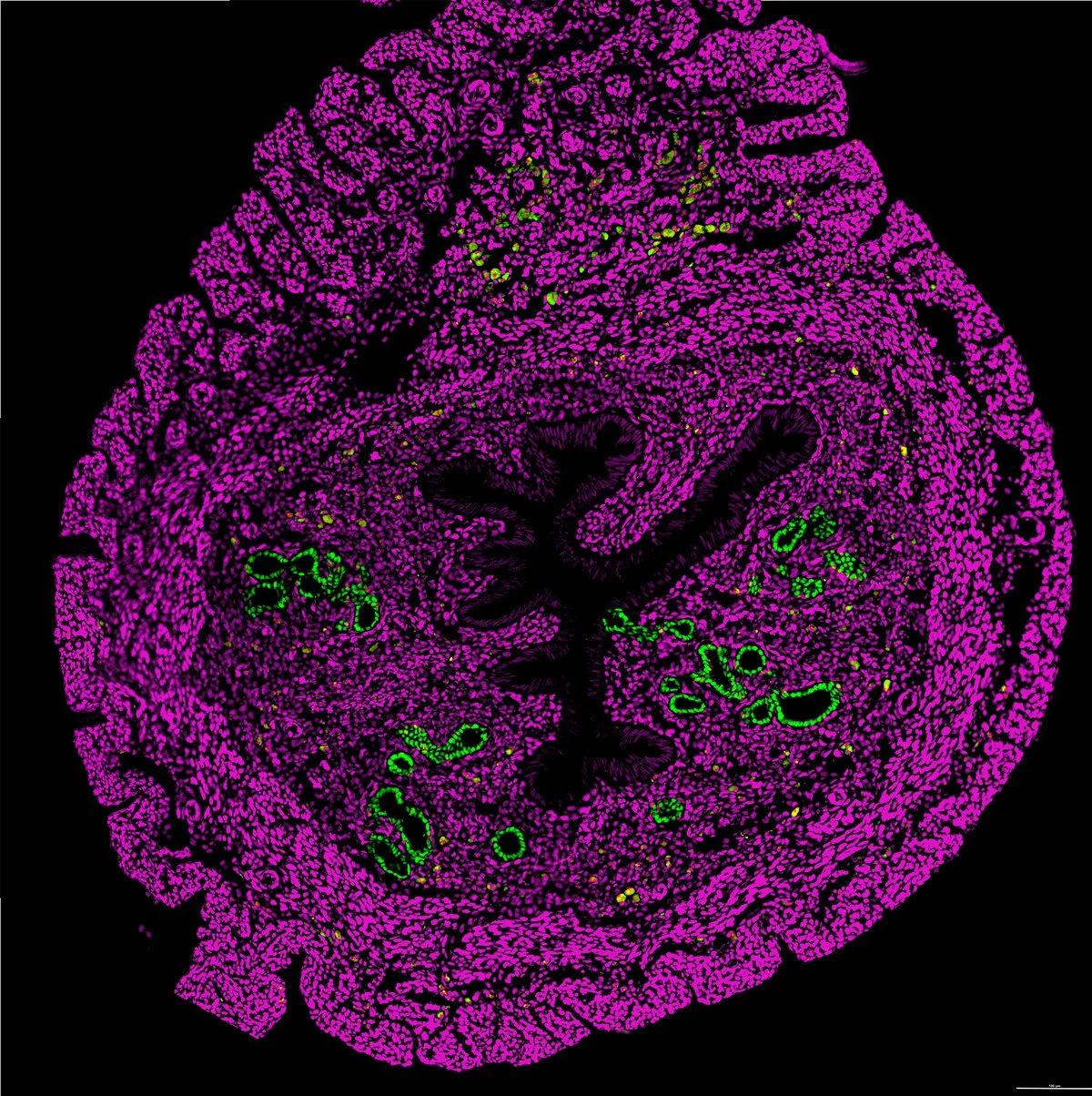
From mouse genetics to human organoids
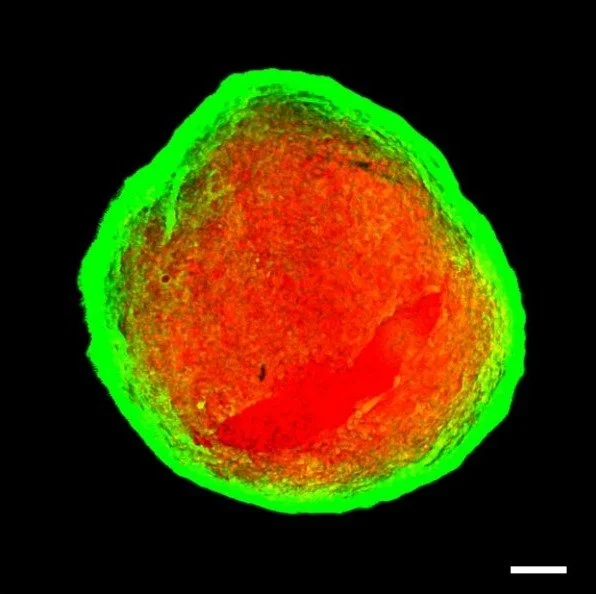
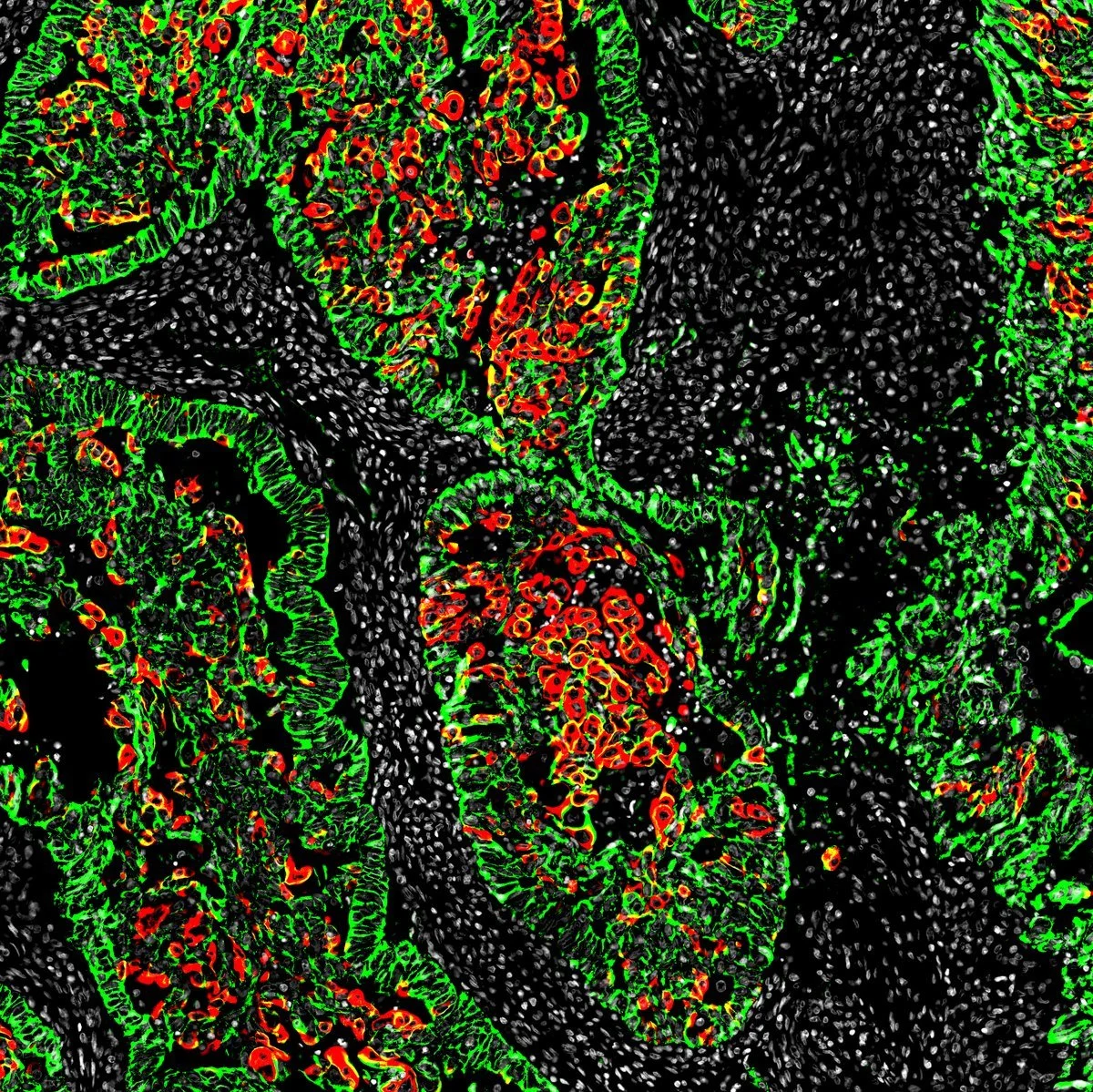
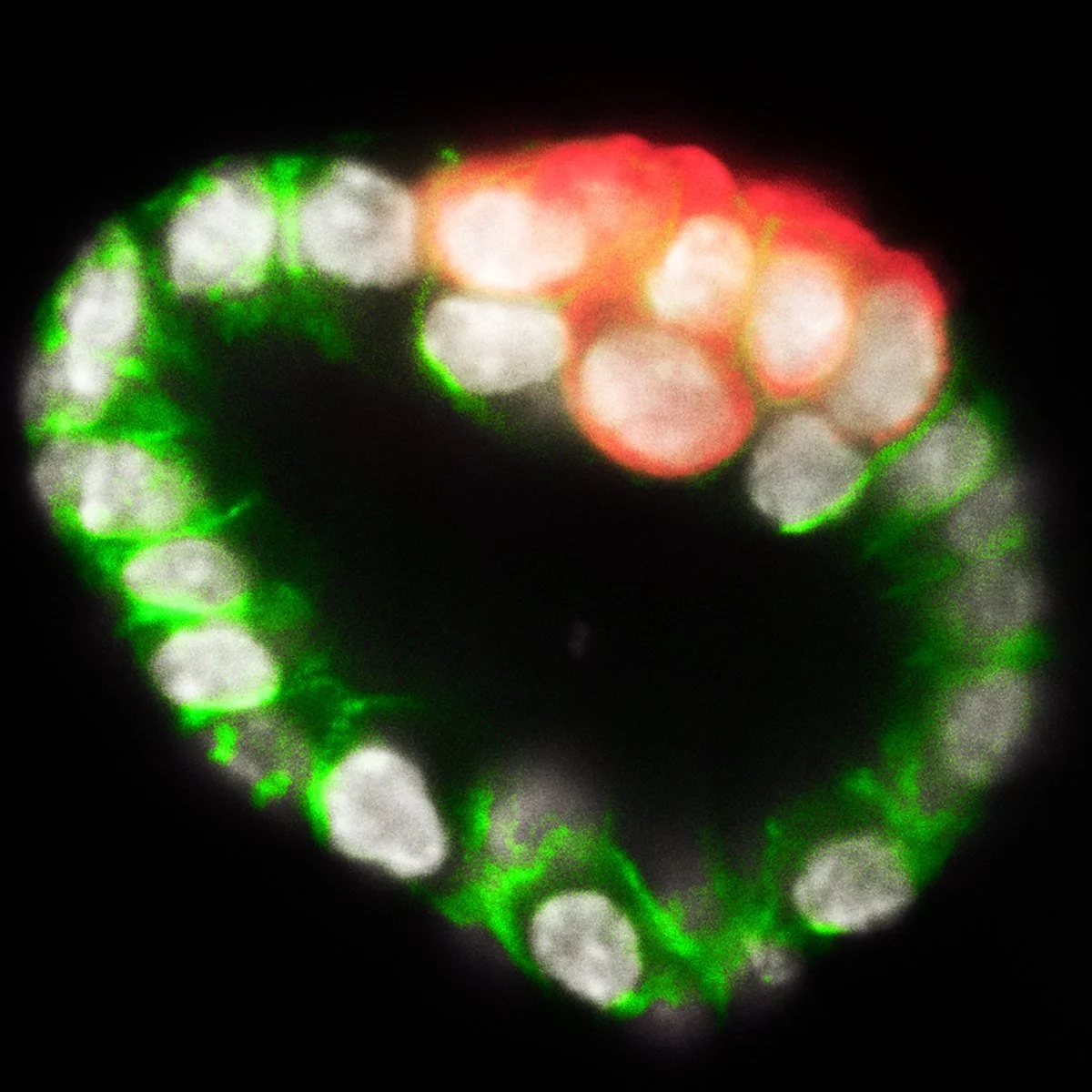
We pair genetic models we built, including Prss29-Cre and Cxcl15-Cre for uterine glands, with organoid transplantation, assembloids and single-cell and spatial atlases across mouse, human and other species.
Selected publications
 bioRxiv · 2026
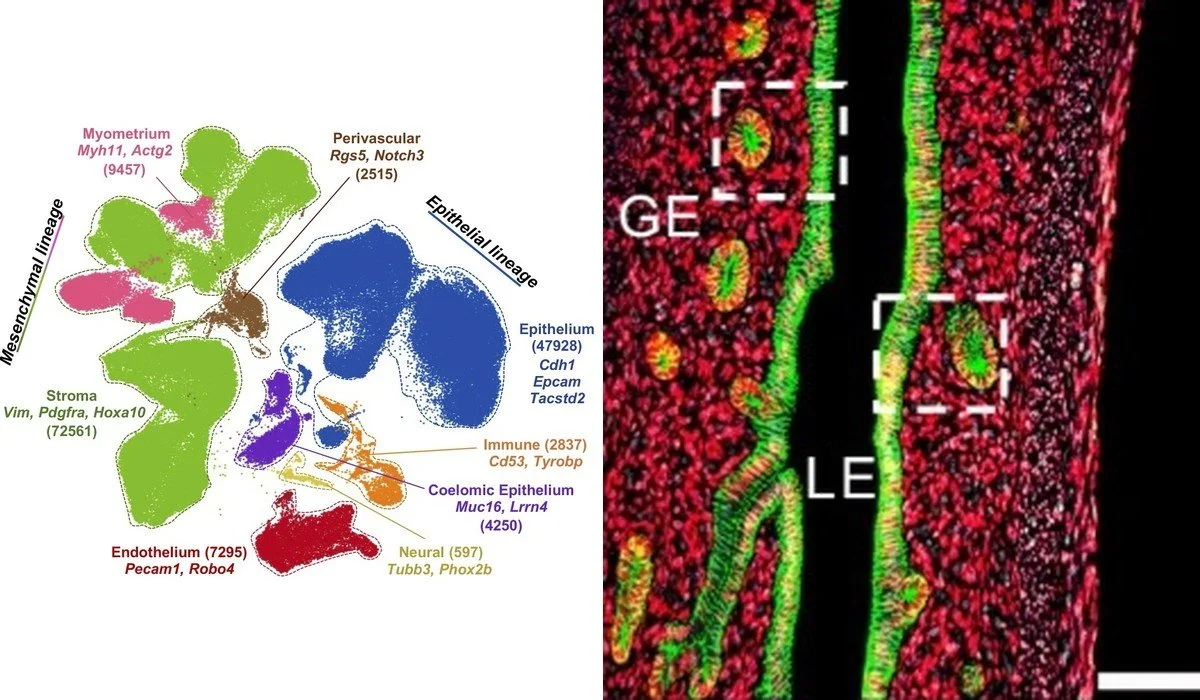
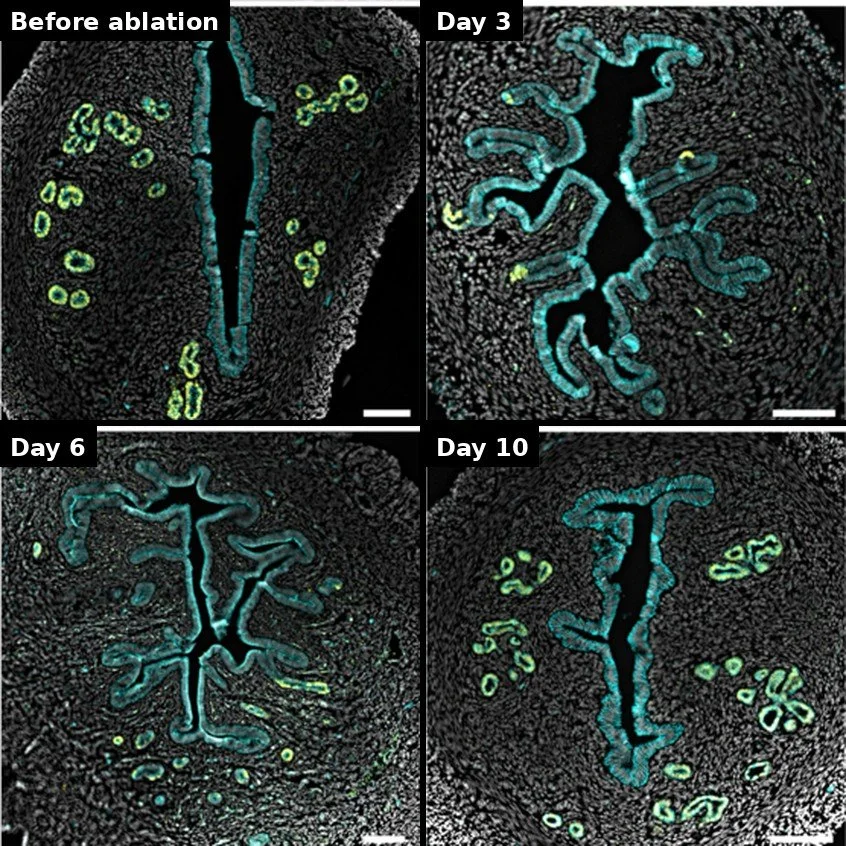
A transient epithelial plasticity state defines the developmental window for uterine gland specification
bioRxiv · 2026
A transient epithelial plasticity state defines the developmental window for uterine gland specification
 bioRxiv · 2026
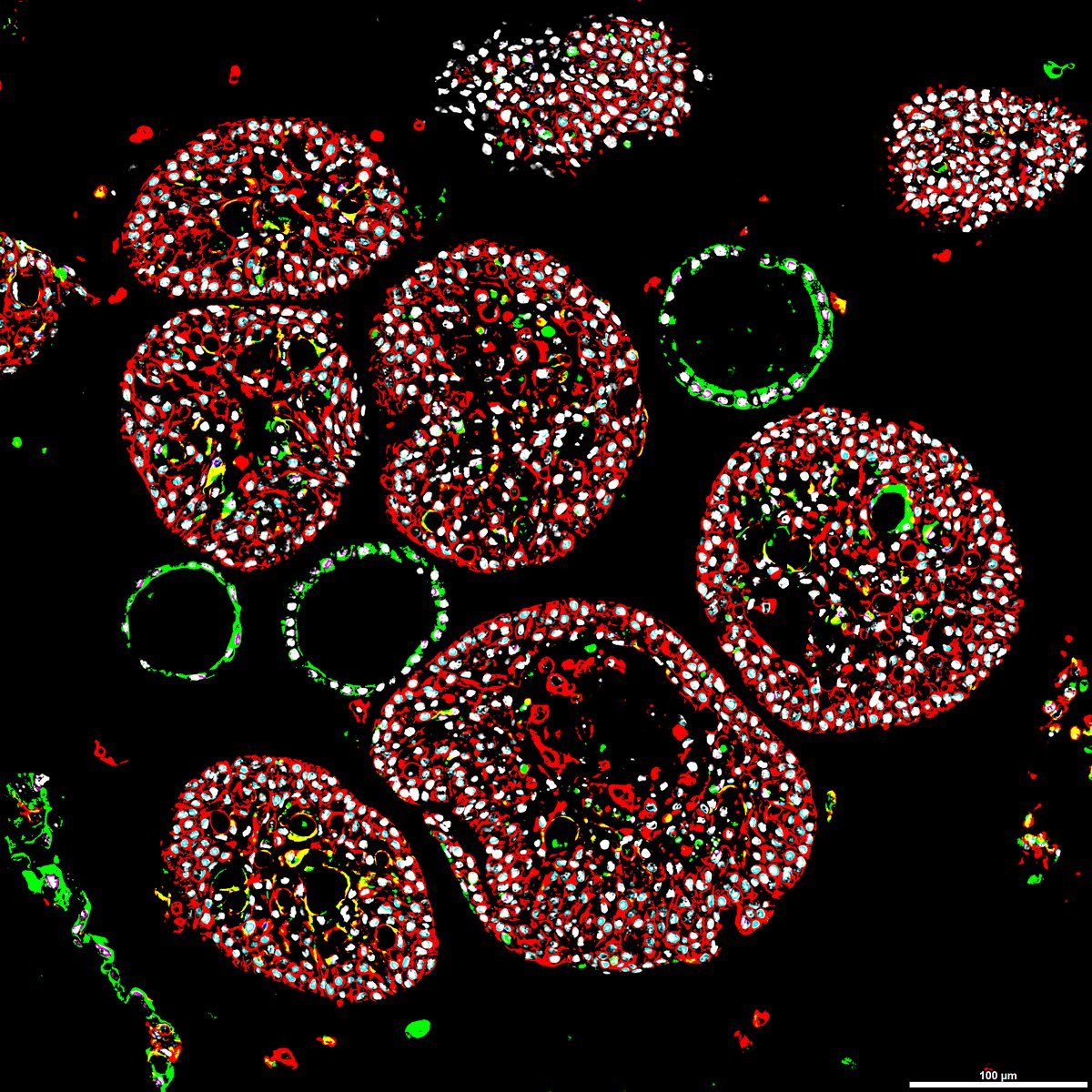
Organoid transplantation in the adult endometrium restores fertility and uncovers epithelial lineage plasticity
bioRxiv · 2026
Organoid transplantation in the adult endometrium restores fertility and uncovers epithelial lineage plasticity
 Proc Natl Acad Sci U S A · 2025
Uterine organoids reveal insights into epithelial specification and plasticity in development and disease
Proc Natl Acad Sci U S A · 2025
Uterine organoids reveal insights into epithelial specification and plasticity in development and disease
News
Lab news
Aug 2026. Preprint: organoid transplantation restores fertility after epithelial ablation and reveals luminal-to-glandular lineage plasticity. Led by Dhanvika Mopure, with the McKinley Lab (Harvard). Read more
Aug 2026. Preprint with the Winuthayanon Lab: a method for building mouse and human oviduct assembloids and co-culturing them with embryos. Read more
Jun 2026. Preprint: a transient epithelial plasticity state defines the window for uterine gland specification. Led by Jason Rizo, with the Vento-Tormo Lab (Wellcome Sanger). Read more
2026. Vakil Ahmad and colleagues publish a protocol for mouse and human endometrial assembloids in Biology of Reproduction. Read more
Apr 2025. Our PNAS paper on uterine organoids and epithelial plasticity is featured by MU School of Medicine. Read more
Sep 2023. Dr. Kelleher receives a $2.17M NICHD award to study uterine epithelial regeneration. Read more
We're looking for curious scientists.
Postdocs, graduate students and undergraduates interested in reproductive biology, regeneration and genomics.